01
Cross-border e-commerce import
Personal parcel, cross-border e-commerce or general trade: we pick the route that fits your product and clear it.
Service
You ship stock in bulk to a bonded warehouse in China, where it sits untaxed. When a Chinese shopper orders, we send the order data to customs and pack the item. Once customs clears it, a domestic courier takes over. Import tax falls due order by order, as the goods sell.
Ship each order from your home country and the parcel spends days in the air and more days in a customs queue. A competitor with stock inside China delivers in a fraction of that time.
The usual fix is general trade import: set up or hire a Chinese importer, register the product, pay tariff and VAT on the whole shipment at the border, and hope it sells. That costs months and ties up cash before you have one customer.
A bonded warehouse sits inside China, but customs treats the goods in it as not yet imported. You send stock in bulk at bulk freight rates. Nothing is taxed while it waits. Each unit is imported at the moment a shopper buys it.
China built this route for foreign brands. Under its cross-border e-commerce rules:
The product has to be on China’s Cross-Border E-Commerce Retail Import Goods List, and the sale has to run through an e-commerce platform that reports order data to customs.
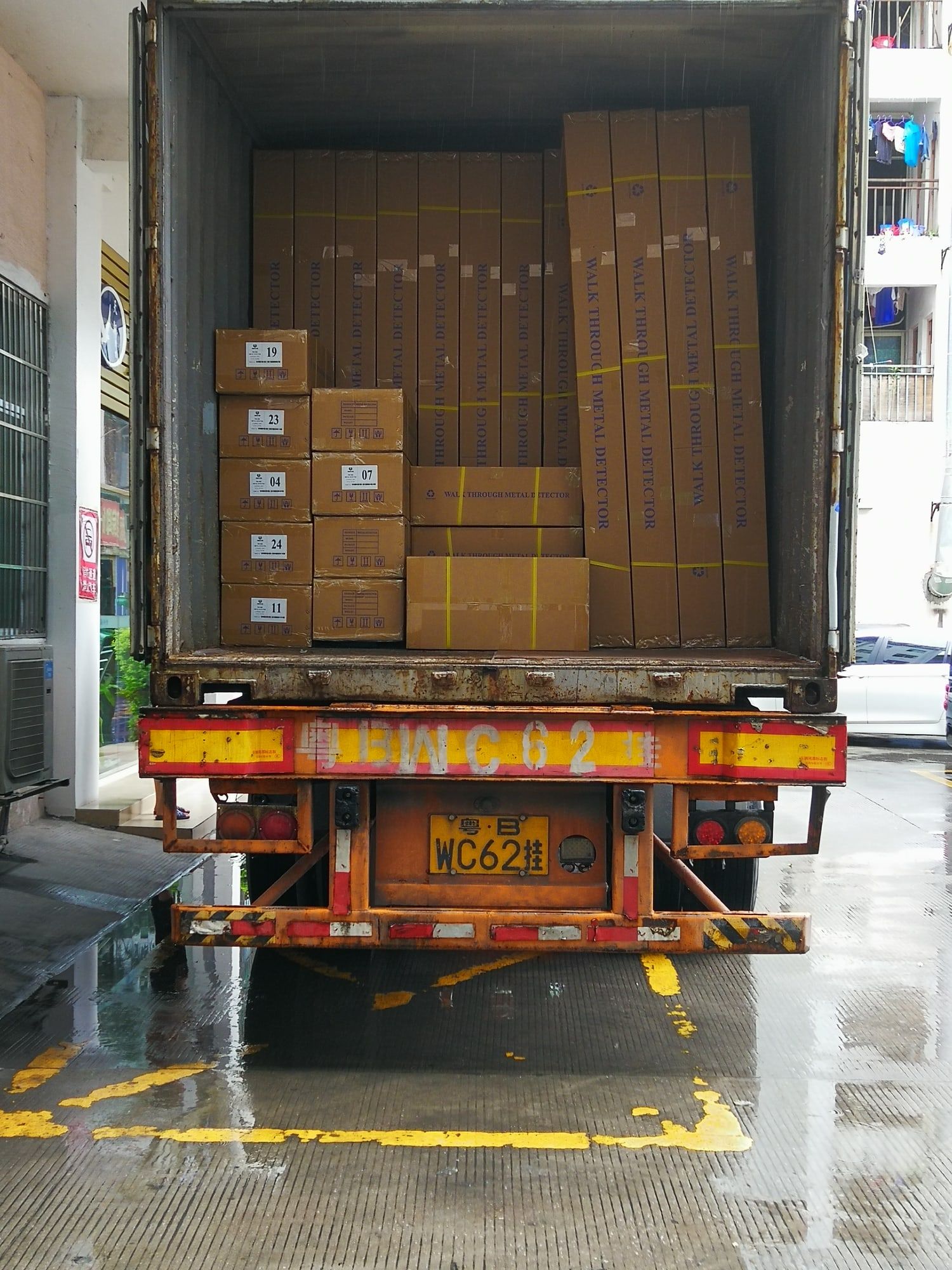
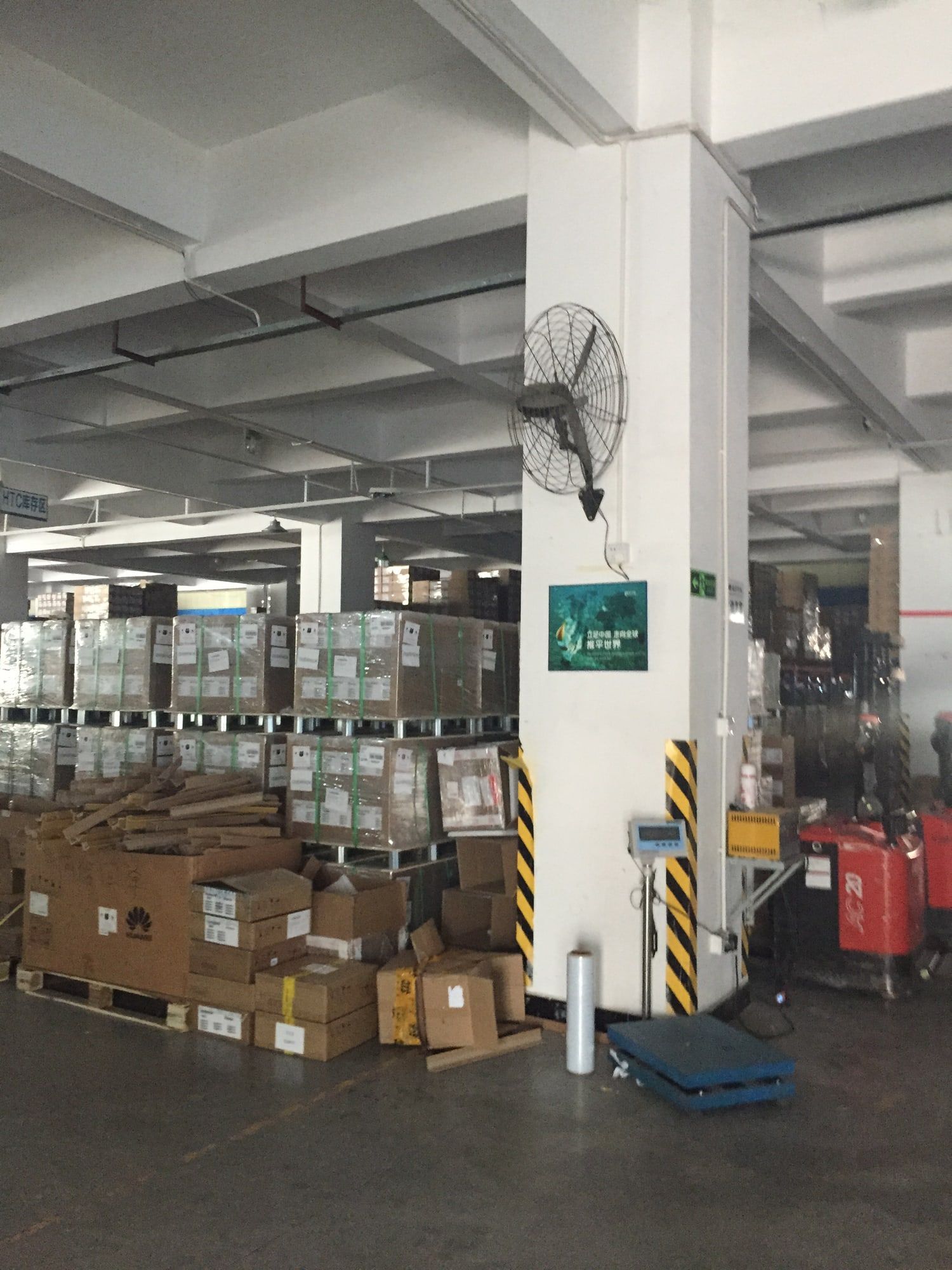
We file the product details with customs, bring the stock in, and run the warehouse. When orders arrive, our system sends the logistics record to customs alongside the platform’s order record and the payment company’s payment record. Customs matches the three and releases the parcel. We pack the order and hand it to a domestic courier.
We built our order and warehouse systems ourselves, and they connect to e-commerce platforms, so order data reaches customs without anyone retyping it.
Brands with products Chinese consumers already look for abroad. Cosmetics and health supplements are the common examples. Baby goods and small appliances sell this way too. If you are testing demand with a few orders a week, start with direct mail. See cross-border e-commerce import for that route, and move to bonded stock when volume justifies a pallet.
Read how to sell in China without a Chinese company for the rules in full.
The process
You send us the product details. We complete the filing form customs needs for each item before any stock moves.
Your goods travel by air or sea, through Hong Kong, into the bonded warehouse. We file the entry and the warehouse receipt.
The platform sends the order, the payment company sends the payment record, and we send the waybill. Customs matches the three.
Once customs accepts the data, we pick and pack the item and file the outbound entry.
A domestic courier takes the parcel from the warehouse door to the shopper.
Questions
No. Under China’s cross-border e-commerce rules the seller is a company registered outside China that owns the goods. The seller must appoint one company registered in China to register with customs and declare the goods. We arrange that as part of the service.
Products on China’s Cross-Border E-Commerce Retail Import Goods List, sold to consumers for their own use. Send us the product and its HS code and we will check it against the list.
On each order, when it clears customs on its way out of the warehouse. Stock that has not sold carries no import tax.
Inside the limits of RMB 5,000 per order and RMB 26,000 per person per year, the tariff is 0% and import VAT and consumption tax are charged at 70% of the normal amount.
The item has to be fit for resale and back at the bonded warehouse within 30 days of customs release. Customs then does not collect the tax on that order.
Related
01
Personal parcel, cross-border e-commerce or general trade: we pick the route that fits your product and clear it.
02
Receiving, storage, relabeling, kitting and order dispatch from Shenzhen and Hong Kong, run on our own WMS.
A plain-English guide to the rules behind this service, with links to the official sources.
Get a quote
Country, goods and a rough weight are enough for a first answer.